


The future of e-commerce: trends like live shopping and social commerce
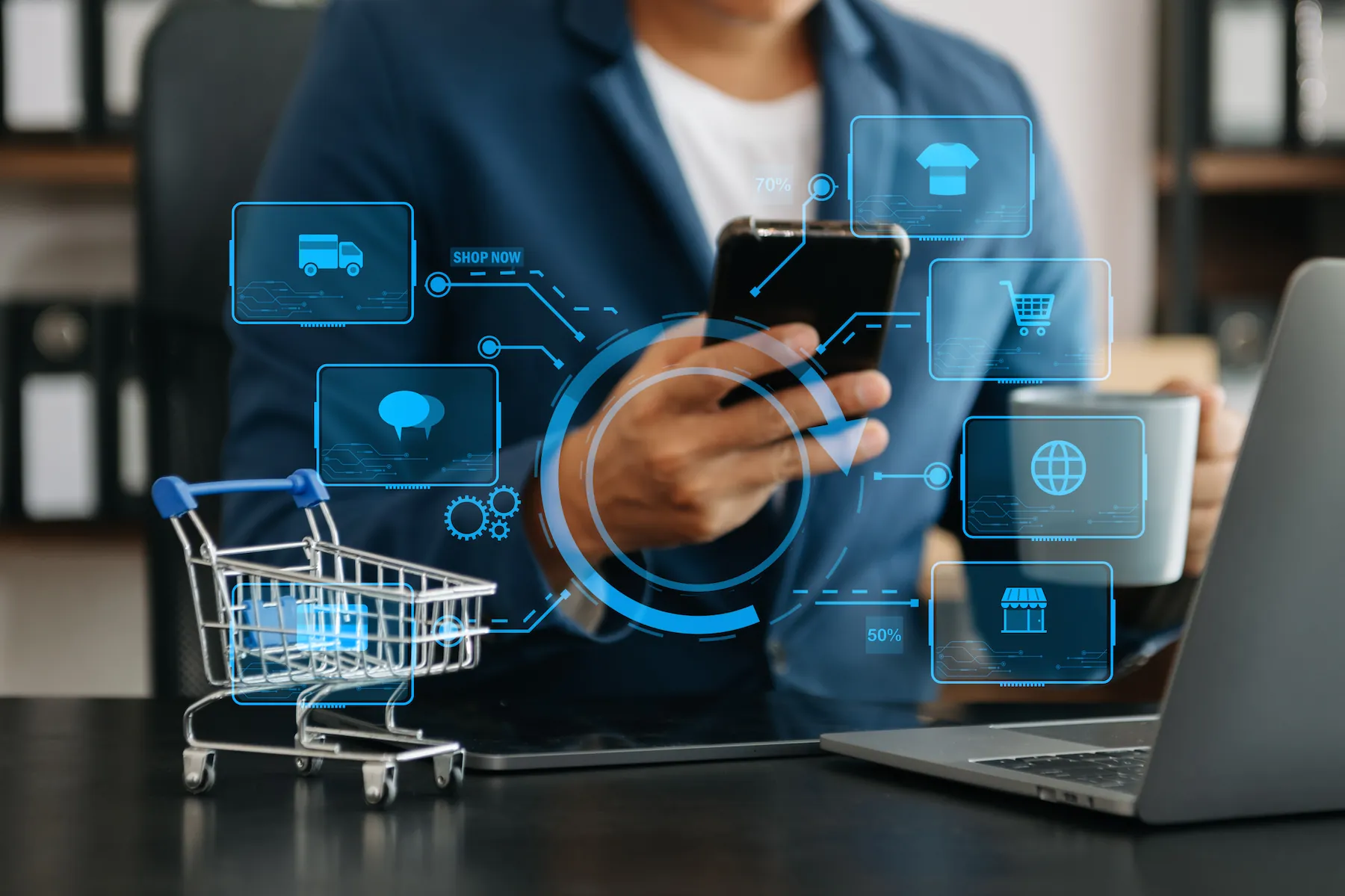
E-commerce is evolving with trends like live shopping and social commerce, enhancing engagement and driving real-time purchasing decisions.
In the ever-changing landscape of online retail, e-commerce is experiencing a transformative phase driven by emerging trends that promise to reshape the shopping experience. Two of the most notable trends, live shopping and social commerce, are gaining traction among both consumers and businesses. These innovations are making online shopping more interactive and engaging, but are also providing brands with new avenues to reach their target audience.
In this article, we will examine how these trends are influencing e-commerce, outline strategies that businesses can adopt, and highlight why partnering with a reliable digital marketing agency can be the key to unlocking growth in this dynamic environment.
What is live shopping and social commerce, and why are they important?
Live shopping is an interactive shopping experience where retailers host live-stream events, allowing customers to watch, ask questions, and purchase products in real time. Social commerce, on the other hand, integrates e-commerce functionality directly into social media platforms, enabling users to buy products without leaving their favorite apps. These trends are revolutionizing the online shopping experience by merging entertainment with instant purchasing options.
-
Enhancing engagement through real-time interaction
Live shopping events create a sense of urgency and excitement. For example, during a live-stream session, hosts can showcase products, demonstrate their use, and offer exclusive discounts that are available only during the broadcast. This interactive approach increases viewer engagement and drives immediate conversions. According to a recent report by Coresight Research, live shopping events in the U.S. saw a 27% increase in participation during the last year, proving their growing influence on consumer behavior.
-
Fostering trust and authenticity
For financial and consumer products alike, trust is paramount. Live shopping events and social commerce platforms allow brands to showcase their products in an authentic and engaging manner. The real-time nature of live shopping, combined with customer interactions, creates an atmosphere of transparency and reliability. Social commerce builds on this by enabling user reviews, ratings, and social proof directly on the platform, further reinforcing consumer trust. When customers see authentic interactions and genuine endorsements, it significantly boosts their confidence in the product.
Expanding market reach in Latin America
Latin America is a vibrant and rapidly growing market where e-commerce continues to flourish. Consumers in this region are increasingly connected, with social media usage reaching new heights. The integration of live shopping and social commerce into e-commerce strategies provides a unique opportunity for businesses targeting Latin American audiences. By embracing these trends, companies can tailor their campaigns to resonate with local cultural nuances, language, and consumer behavior. This level of customization is crucial for establishing a strong brand presence and driving sales in the region.
Key trends shaping the future of e-commerce
The e-commerce landscape is evolving, and several trends are emerging as key drivers of change. Understanding these trends can help businesses keep up with the competition but also position themselves as innovators in the field. Below are some of the most significant trends that are shaping the future of online retail:
Live shopping trends: live shopping is quickly becoming a mainstream marketing channel. This trend integrates the elements of live broadcasting with the convenience of online shopping. Here’s how it is reshaping e-commerce:
-
Interactive engagement: Live shopping allows customers to interact with hosts in real time. They can ask questions, provide feedback, and receive immediate responses. This level of engagement builds a sense of community and creates a more personalized shopping experience.
-
Limited-time offers and exclusivity: Live shopping events often include limited-time discounts or exclusive product launches, which create a sense of urgency. The scarcity principle drives quick purchasing decisions, ultimately boosting sales.
-
Influencer collaboration: Many brands collaborate with influencers during live shopping events. Influencers bring their loyal audience, adding credibility and extending the reach of the event. Their authentic endorsement plays a critical role in persuading potential customers.
Social commerce strategies: Social commerce is another transformative trend that integrates e-commerce directly into social media platforms. This approach capitalizes on the massive user base of social networks to drive sales:
-
Seamless shopping experience: Social commerce eliminates the need for users to leave the social media platform, offering a frictionless shopping experience. With features like in-app checkout, customers can browse, select, and purchase products in a single flow.
-
Enhanced visual storytelling: Platforms like Instagram and Pinterest emphasize high-quality visual content. Brands can showcase their products with immersive visuals and creative storytelling, making it easier for customers to visualize how a product fits into their lifestyle.
-
Case studies and statistics: According to a study by eMarketer, social commerce sales in the U.S. are projected to reach $36 billion by 2025, reflecting a significant shift in how consumers shop online.
E-commerce innovation and emerging technologies: Beyond live shopping and social commerce, several emerging technologies are driving further innovation in e-commerce:
-
Augmented reality (AR): AR allows customers to visualize products in their environment before making a purchase. This technology is particularly impactful in industries such as furniture, fashion, and beauty.
-
Artificial Intelligence (AI) and machine learning: AI-powered tools enable personalized recommendations, dynamic pricing, and predictive analytics. These capabilities help tailor the shopping experience to individual customer needs, improving satisfaction and conversion rates.
-
Blockchain for transparency: Blockchain technology is being explored for its potential to enhance transparency in transactions and protect against fraud. Its use in supply chain management and digital payments is becoming increasingly relevant.
-
Voice commerce: With the rise of smart speakers and voice assistants, voice commerce is emerging as a new channel for e-commerce. Optimizing for voice search and enabling voice-activated transactions can give brands an edge in this evolving landscape.
Strategies to leverage live shopping and social commerce for growth
To fully harness the power of live shopping and social commerce, businesses must adopt comprehensive strategies that integrate these trends into their broader marketing efforts. The goal is to build engaging, interactive, and conversion-driven campaigns that resonate with modern consumers. Below are several detailed strategies that can help achieve this:
-
Leveraging influencer partnerships: One of the most effective ways to drive engagement and boost conversions through live shopping and social commerce is by partnering with influencers. Influencers have established credibility and a loyal following, which can significantly amplify your message. How?
-
Selecting the right influencers
-
Co-creating content
-
Measuring impact
-
Implementing advanced analytics for optimization: Data is at the heart of a successful digital marketing strategy, and integrating advanced analytics is crucial for maximizing the effectiveness of live shopping and social commerce efforts. To achieve these, consider:
-
Tracking customer behavior
-
A/B testing
-
Real-time adjustments
-
Comprehensive reporting
-
Personalizing the customer experience: In an environment where consumers demand personalized interactions, tailoring the shopping experience to individual needs is more important than ever. Therefore, we suggest the following:
-
Customized content and offers
-
Dynamic product showcases
-
Localized strategies
-
Integrating multichannel marketing: For optimal results, live shopping and social commerce should be part of a broader, integrated digital marketing strategy. To do it, consider:
-
Cross-promotional campaigns
-
Unified messaging
-
Leveraging digital marketing services
At Paxzu, we understand the complexities of today’s digital marketing landscape. As a leading digital marketing agency providing comprehensive digital marketing services and acting as a top-tier content marketing agency, we specialize in crafting and executing strategies that empower businesses to thrive in this rapidly evolving market. If your goal is to stay competitive in this new era of e-commerce and harness the power of live shopping and social commerce to build trust and drive sales, Paxzu is your ideal partner. Contact us today and let our expertise transform your digital marketing strategy, opening new doors to success in the ever-changing world of online retail.