

MMO commerce explained: the next frontier of immersive shopping
Explore MMO commerce, the next frontier in immersive shopping. Discover how virtual worlds are redefining the online retail experience!
The evolution of e-commerce has always been driven by one question: how can we make digital shopping feel more human, more engaging, and more experiential? As technology evolves and customer expectations rise, the answer may lie in MMO commerce — a new frontier that merges the dynamics of gaming, interactivity, and community into online retail.
This emerging trend moves beyond traditional e-commerce websites or apps. It transforms shopping into a shared, immersive experience where users interact, explore, and purchase within virtual spaces — often inspired by the Massively Multiplayer Online (MMO) worlds of gaming.
In this article, we’ll explain what MMO commerce is, what makes it unique, and why it’s quickly becoming one of the new trends in e-commerce that forward-thinking brands are already embracing.
What Is MMO (Massively Multiplayer Online) Commerce?
MMO commerce refers to a digital retail model that combines multiplayer interactivity, immersive environments, and gamified engagement. It draws inspiration from the mechanics of MMO games — virtual spaces where thousands of users coexist, interact, and participate in shared experiences — but applies them to the shopping world.
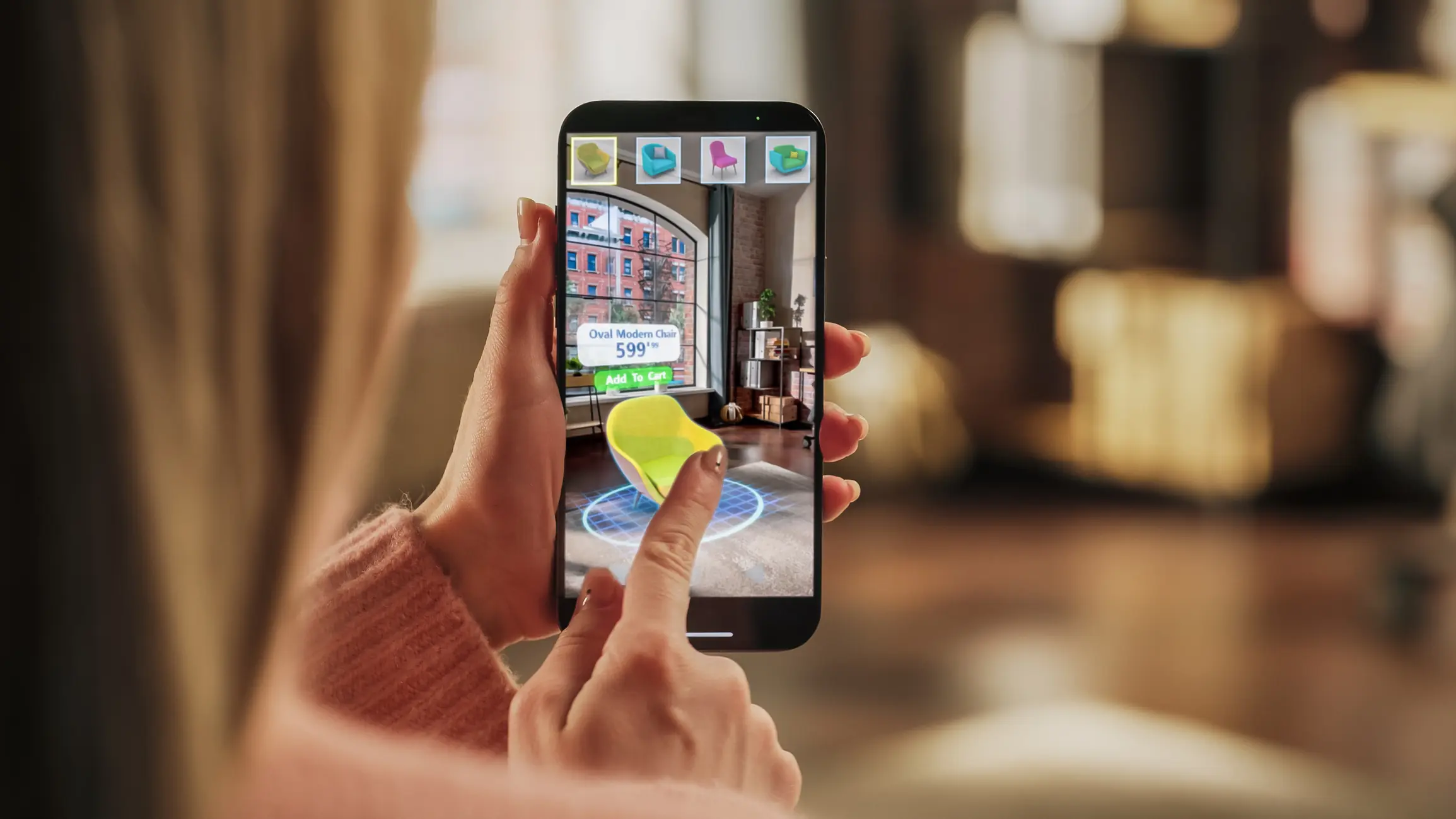
Instead of browsing static product listings, customers can enter virtual stores or interactive environments, explore items in 3D, interact with other shoppers, and even communicate with brand representatives or avatars in real time.
In essence, MMO commerce turns the e-commerce transaction into a social experience, where entertainment, exploration, and purchase coexist within the same environment.
Platforms like Roblox, Fortnite, and Decentraland have become testing grounds for this type of retail, where users can not only play but also attend branded events, buy virtual goods, and even purchase real-world items.
Key Elements That Define MMO Commerce
-
Interactivity Beyond Clicks
Traditional e-commerce relies on linear navigation: users click, scroll, add to cart, and checkout. MMO commerce introduces multi-sensory and real-time interaction.
Customers can manipulate virtual products, try them on avatars, or participate in interactive demos. For example, Nike’s Nikeland on Roblox allows users to experience products through gameplay rather than standard browsing. This interactivity enhances engagement and strengthens brand recall — transforming passive browsing into active exploration.
-
Gamification That Drives Engagement
Gamification is the backbone of MMO commerce. It introduces game mechanics — rewards, challenges, leaderboards, and achievements — to keep users invested.
Brands can reward exploration, product trials, or social sharing with digital tokens or NFTs that carry real-world value. This not only extends session time but also increases customer retention.
According to Accenture’s 2024 Digital Consumer Report, 70% of Gen Z consumers are more likely to engage with brands that offer interactive, game-like experiences. Gamification thus becomes a bridge between entertainment and commerce, reinforcing emotional connection and brand loyalty.
-
Virtual Worlds (Metaverse) as Shopping Platforms
The metaverse provides the infrastructure for MMO commerce. It’s where virtual and augmented reality (VR/AR) technologies merge to create shared, persistent digital worlds.
In these spaces, customers can:
-
Attend virtual product launches.
-
Participate in branded quests or events.
-
Purchase both digital and physical goods seamlessly.
Luxury brands like Gucci and Balenciaga have already experimented with metaverse commerce, offering limited-edition digital wearables for avatars and exclusive virtual experiences that extend their brand identity into new dimensions.
Why MMO Commerce Is the Next Big Step in Online Retail
As consumers become more accustomed to interactive digital environments, static e-commerce platforms risk feeling outdated. MMO commerce redefines how brands engage customers by merging social interaction, personalization, and experience-based value.
Here’s why it represents the next major evolution in online retail:
-
Deeper emotional connection: immersive environments allow storytelling and brand identity to come alive.
-
Community-driven loyalty: shoppers engage with each other, forming micro-communities that amplify brand advocacy.
-
Higher engagement metrics: interactive experiences significantly increase dwell time and conversion rates.
-
Cross-platform integration: physical and digital commerce merge, offering omnichannel continuity between real-world stores and virtual experiences.
For customers, shopping becomes entertainment. For brands, it’s an opportunity to reimagine engagement and differentiate in an increasingly crowded market.
Opportunities for Brands in Immersive Shopping Environments
For brands willing to innovate, MMO commerce opens a new set of strategic opportunities:
-
Brand storytelling through interactivity: create virtual spaces that communicate brand values and history in a tangible way.
-
Data-driven personalization: virtual interactions generate richer behavioral data, allowing for precise segmentation and predictive insights.
-
New revenue streams: digital assets, NFTs, and virtual event sponsorships can complement traditional sales.
-
Global reach: virtual environments eliminate physical boundaries, expanding audience potential across geographies.
The best digital marketing agency can help brands design immersive experiences that align with audience behavior, platform capabilities, and business goals — ensuring that technology enhances storytelling rather than overshadowing it.
Challenges Faced by Traditional Retailers Who Are Not in the Digital World
While MMO commerce offers vast potential, traditional retailers face key challenges if they fail to adapt:
-
Loss of relevance among younger audiences: Gen Z and Alpha consumers expect digital-first experiences.
-
Data gaps: brands without digital infrastructure struggle to collect or analyze real-time behavioral data.
-
Limited scalability: physical experiences can’t match the reach and flexibility of virtual ecosystems.
-
Perception barriers: companies slow to adopt immersive technologies risk appearing outdated.
Bridging this gap requires investment not only in technology but also in digital culture — understanding that the customer journey is now hybrid, experiential, and participatory.
Examples of MMO Commerce in the Digital World
Several pioneering brands are already redefining online shopping through MMO-inspired strategies:
-
Nike’s Nikeland (Roblox): an interactive playground where users can explore, play, and purchase digital products linked to physical ones.
-
Gucci Garden (Roblox): an immersive exhibition blending art, fashion, and digital collectibles.
-
Samsung’s 837X (Decentraland): a metaverse space replicating the brand’s flagship store, offering quests, NFTs, and live events.
-
Zara’s Lime Glam Collection (Zepeto): digital fashion pieces available for avatars, combining social commerce and brand storytelling.
These initiatives showcase how new trends in e-commerce go far beyond transaction; they focus on creating digital ecosystems that engage emotionally and socially.
The Future of MMO Commerce and Customer Engagement
MMO commerce is not a fleeting experiment — it’s part of a broader shift toward immersive, participatory digital economies. As technology advances, expect tighter integration between physical and virtual channels, AI-driven personalization, and even cross-platform interoperability between metaverses.
In the coming years, we’ll likely see virtual malls where avatars from different platforms interact, pay with digital currencies, and attend shared brand experiences — creating a truly unified commerce ecosystem.
For marketers, this means reimagining customer engagement strategies around immersion, presence, and co-creation.
MMO commerce is setting the stage for the next era of digital retail — one where shopping becomes an interactive, community-driven experience that blends entertainment, personalization, and technology. It’s a future built on connection and participation, not just transactions.
At Paxzu, as one of the best digital marketing agency offering comprehensive digital marketing services, we help brands explore these emerging frontiers. From immersive storytelling to metaverse activations, our approach connects innovation with measurable growth — preparing businesses to thrive in the next wave of e-commerce evolution.