


Why TikTok is the secret weapon for marketing to Gen Z
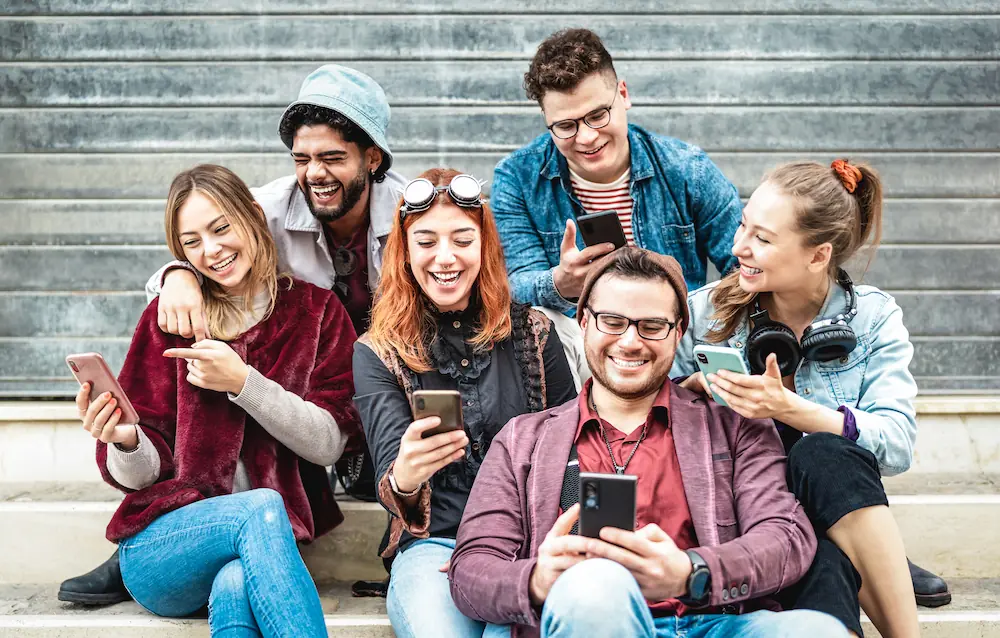
TikTok captivates Gen Z with short, authentic content, making it a powerful tool for brands to build relevance and drive engagement.
For marketers chasing authentic engagement, cultural relevance, and long-term brand loyalty, there’s one platform that stands far ahead of the rest: TikTok.
As Gen Z takes over the digital world, traditional marketing playbooks are becoming obsolete. This generation—born roughly between 1997 and 2012—demands more than polished ads or generic influencer collabs. They’re seeking content that’s raw, creative, and most importantly, real. And nowhere is that more evident than on TikTok.
With over 1 billion active users worldwide and 60% of them between the ages of 16 and 24, TikTok has evolved into the platform for connecting with Gen Z. But it’s not just about being where the audience is—it′s about understanding how they behave, what they respond to, and why the algorithm matters.
Understanding Gen Z: what they expect from brand content today
Before we jump into tactics, it’s essential to understand who Gen Z is and how they interact with brands. They’re not just younger millennials—they’re a new breed of consumers raised in a world of high-speed internet, cancel culture, and algorithmic content.
-
They crave authenticity, not perfection
Gone are the days of overly curated Instagram feeds. Gen Z values transparency and relatability. According to a 2023 Deloitte Digital study, 73% of Gen Z consumers are more likely to trust a brand that appears “real” on social media. That means showing behind-the-scenes moments, acknowledging flaws, and ditching the corporate tone.
In this article, we’ll unpack why TikTok marketing for Gen Z is such a game-changer, explore the psychology behind their content preferences, dissect the platform’s viral engine, and offer actionable tips and pitfalls to avoid.
-
They engage in two-way conversations
Unlike older generations who passively consume media, Gen Z expects interactive content. They want brands to reply to comments, jump on trends, and even co-create. The #Duet and #Stitch features on TikTok are perfect tools to build this kind of relationship.
-
They align with values, not just aesthetics
A well-designed campaign won’t land unless it reflects something deeper. Gen Z supports brands that speak up on social issues, show diversity, and take meaningful action. Performative marketing doesn’t cut it. In fact, 58% of Gen Z have stopped buying from a brand they felt was inauthentic or hypocritical, according to Forrester.
So if you’re asking yourself how to reach Gen Z on TikTok, the answer lies in emotion, identity, and participation—not sales pitches.
How TikTok’s algorithm gives brands a viral advantage
TikTok’s magic isn’t just in its short videos or trending sounds—it’s in its algorithm, which is fundamentally different from other platforms. Understanding how this algorithm works is essential for building a successful Gen Z social media strategy.
Here’s how TikTok offers brands a true viral edge:
-
Content discovery is democratized
Unlike Instagram or Facebook, where reach is mostly tied to follower count, TikTok’s “For You Page” (FYP) shows content based on interest—not popularity. A brand with zero followers can go viral if the content hits the right cues.
Example: The clothing brand Aerie saw a massive lift in engagement after their “#AerieReal” TikTok campaign went viral with micro-influencers—despite competing with bigger-name brands with larger followings.
-
High engagement signals are prioritized
The algorithm tracks:
-
Watch time: Longer views boost visibility.
-
Rewatches and shares: If users rewatch your video or send it to friends, that’s a huge plus.
-
Comments and duets: These signal interest and interactivity.
This means your content strategy must focus not just on the first 3 seconds—but on creating content people want to re-engage with.
-
Trend surfing = exposure
Trending sounds, hashtags, and effects give content an immediate advantage. Brands that can react quickly and authentically to trends often find themselves front and center.
Example: Duolingo’s TikTok account famously leverages trending audio and memes—showcasing their owl mascot in wild, unfiltered scenarios that Gen Z finds hilarious and refreshingly self-aware.
-
Niche communities thrive
The algorithm serves hyper-targeted content based on behavior. This gives brands the opportunity to tap into micro-niches, whether it’s #CleanTok, #BookTok, or #PlantTok—areas with highly engaged communities and passionate creators.
-
Consistency builds trust with the algorithm
Posting frequently and consistently helps TikTok “learn” your brand identity and who your audience is. The more you post, the better your chances of discovering what works—and scaling it.
What not to do on tiktok, lessons from brands that missed the mark
Success on TikTok is as much about avoiding mistakes as it is about going viral. Gen Z has a low tolerance for fake, forced, or cringe-worthy content—and they will let you know in the comments.
Here’s what not to do if you want your TikTok marketing for Gen Z to work:
-
Don’t Over-Produce Your Content
Overly polished videos can feel sterile or out of touch. TikTok isn’t the place for studio lights and scripted monologues. It’s a platform that rewards spontaneity, lo-fi aesthetics, and human energy.
Fail Example: A luxury fashion brand posted a commercial-style TikTok with professional models, cinematic effects, and zero personality—it flopped with just a few hundred views.
-
Don’t Jump on Trends Too Late
The TikTok trend cycle moves at lightning speed. If your brand hops on a trend two weeks after it peaked, it will seem disconnected or even embarrassing.
Fail Example: A well-known snack brand recreated a trending dance weeks after it was relevant—comments were filled with “ok boomer” jokes.
-
Don’t Copy-Paste Ads from Other Platforms
Repurposing Facebook or Instagram videos for TikTok without adapting the tone is a rookie mistake. The humor, pacing, and references don’t translate. TikTok isn’t a billboard—it’s a conversation.
-
Don’t Pretend to “Be Gen Z”
Using Gen Z slang or memes incorrectly is worse than not using them at all. It comes off as pandering. Instead, collaborate with actual Gen Z creators who live and breathe the culture.
-
Don’t Ignore the Comments
Comments are where TikTok culture thrives. Brands that don’t respond (or worse, delete comments) miss the chance to build community and trust.
Fail Example: A beauty brand launched a new product but never answered questions about ingredients or shipping—prompting users to boycott the brand altogether.
Final Thoughts: TikTok Isn’t a Trend—It’s a Tool for Genuine Connection
Marketing to Gen Z doesn’t require flashy budgets or viral gimmicks. It requires listening, adapting, and showing up in ways that feel human.
TikTok offers an unparalleled opportunity to do exactly that. With its unique algorithm, thriving communities, and culture of creativity, it’s the most powerful platform today for brands that want to build real relationships with tomorrow’s consumers.
Whether you\\\'re building a Gen Z social media strategy from scratch or trying to pivot your current content, the key is authenticity, speed, and collaboration.
At Paxzu, we specialize in helping brands tap into this digital momentum. Through our tailored digital marketing services, we guide clients in creating strategies that don’t just perform—they connect. As a digital marketing agency with proven expertise in LATAM and US markets, we know what it takes to win Gen Z\\\'s attention—and their loyalty.